Our Approach to Teaching Movement
We built this program around how people actually learn physical skills. It starts with fundamentals you can feel immediately, then gradually introduces complexity as your body adapts.
Each workshop runs for six weeks. You'll work through exercises that build on each other, with enough time to practice between sessions. The pace gives you room to absorb techniques without rushing through material.
What You'll Actually Work On
The curriculum is split into three modules. Each one focuses on specific techniques that support the next stage. We don't move forward until you've got a working grasp of current material.
Foundation Mechanics
First two weeks focus on body awareness and basic movement patterns. You'll learn how weight shifts, how to maintain alignment during transitions, and how to generate momentum without tension.
- Core engagement during motion
- Balance distribution techniques
- Breathing coordination with movement
- Spatial awareness exercises
Dynamic Sequences
Weeks three and four introduce more complex patterns. You'll combine basic movements into flowing sequences, work on timing variations, and start developing your own interpretations of choreographic phrases.
- Multi-directional transitions
- Rhythmic variation practice
- Partner synchronization drills
- Improvisation frameworks
Personal Expression
Final two weeks focus on applying everything you've learned. You'll create short pieces using the techniques from earlier modules, get feedback on your work, and learn how to continue developing after the workshop ends.
- Choreographic composition basics
- Performance presence development
- Style adaptation methods
- Self-assessment techniques
How Skills Develop Through The Program
Initial Assessment Week
First session establishes your current range of motion, identifies any movement restrictions, and sets realistic targets. We film basic sequences so you can see your starting point.
Technique Building Phase
Weeks two through four concentrate on drilling specific movements until they become automatic. You'll repeat patterns with small variations, gradually increasing speed and complexity as control improves.
The repetition felt tedious at first, but after week three something clicked. Movements that required constant thought became instinctive. I could finally focus on expression instead of remembering steps.
Completed program in autumn 2024
Integration And Application
Final two weeks shift from instruction to guided practice. You'll work on pieces you design, receive specific feedback on execution, and learn how to identify areas needing work when practicing independently.
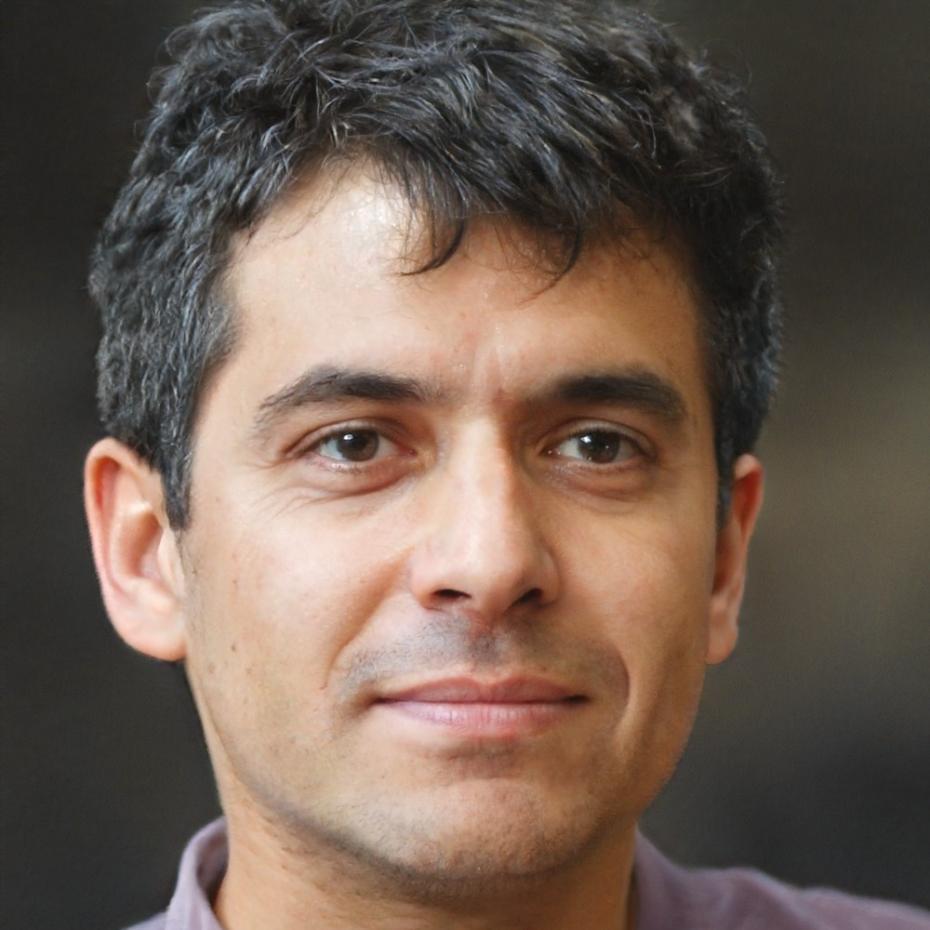
Having the structure to experiment within was more valuable than I expected. The framework gave me confidence to try variations without getting lost. I left with actual skills, not just copied choreography.
Finished workshops in spring 2024
Post-Program Development
After completion, you get access to practice recordings and supplementary exercises. We also run monthly open sessions where former participants can continue working on material and get occasional feedback on new pieces.
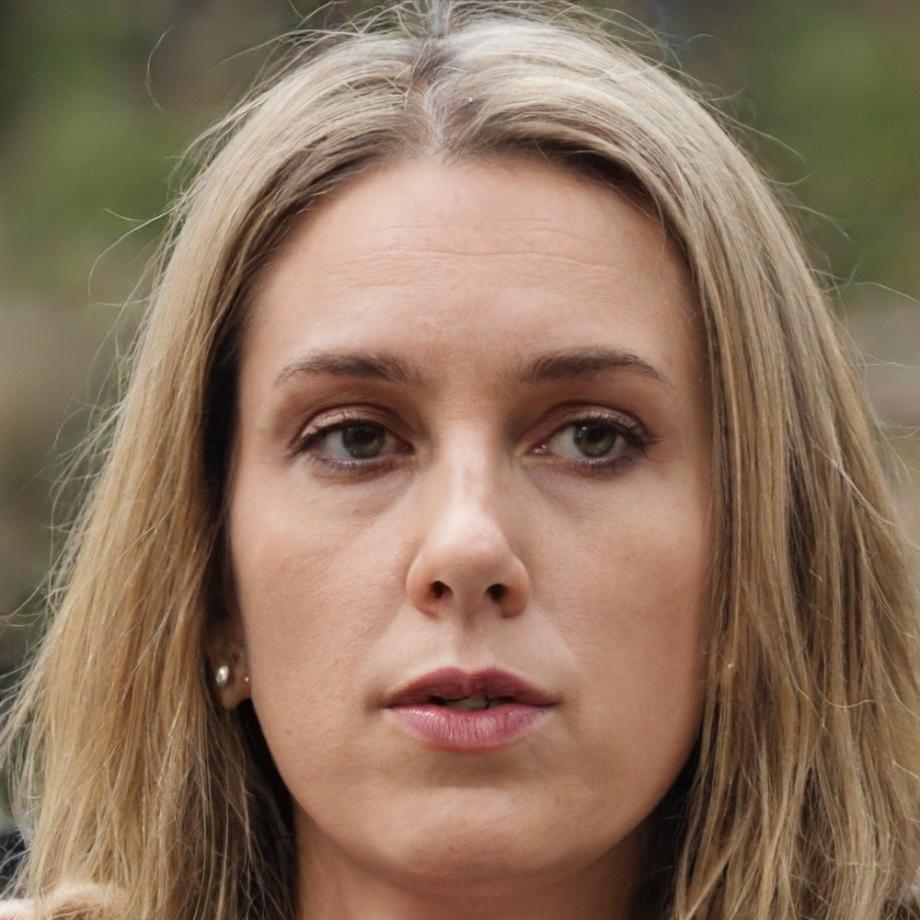
The monthly sessions keep me accountable. It's easy to lose momentum practicing alone, but knowing I can show up and work with others who went through the same training makes a real difference in maintaining progress.
Regular attendee since summer 2023