
Getting Better Without the Overwhelm
Small adjustments that stick. Not a total overhaul.
See How It Works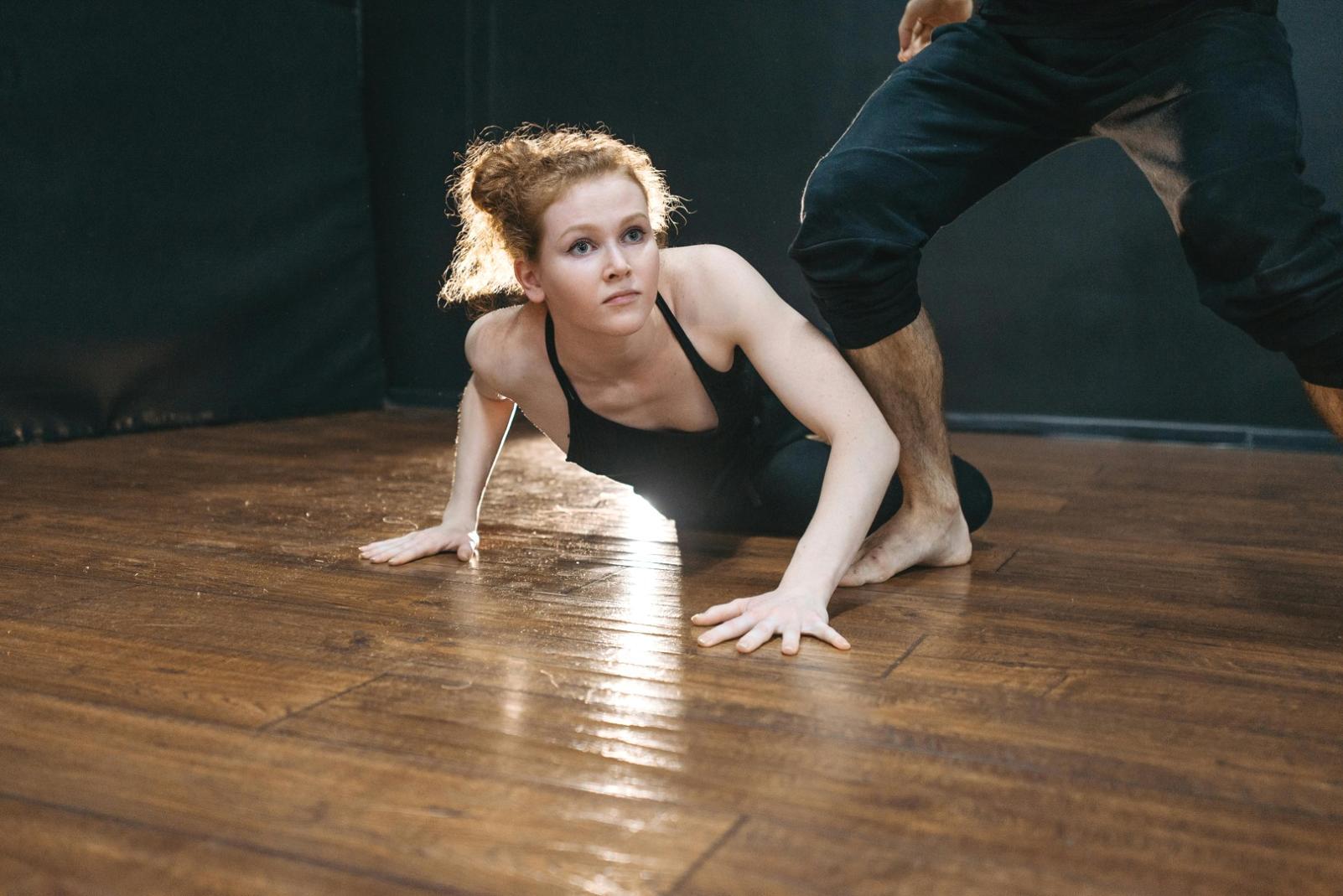
What Actually Helps
Three areas that tend to make the biggest difference when you're stuck.
Film yourself occasionally
Your spatial awareness is off by default. Recording helps you see what you're doing versus what you think you're doing. Check alignment, not perfection.
Slow down on new moves
Half speed means you can actually feel what's happening. Speed comes later. Build the pattern first, then layer in tempo and intensity.
Notice weight transfer
Where your weight goes determines everything else. Spend time sensing which foot carries you. Most balance issues trace back to unclear weight shifts.
Set smaller chunks
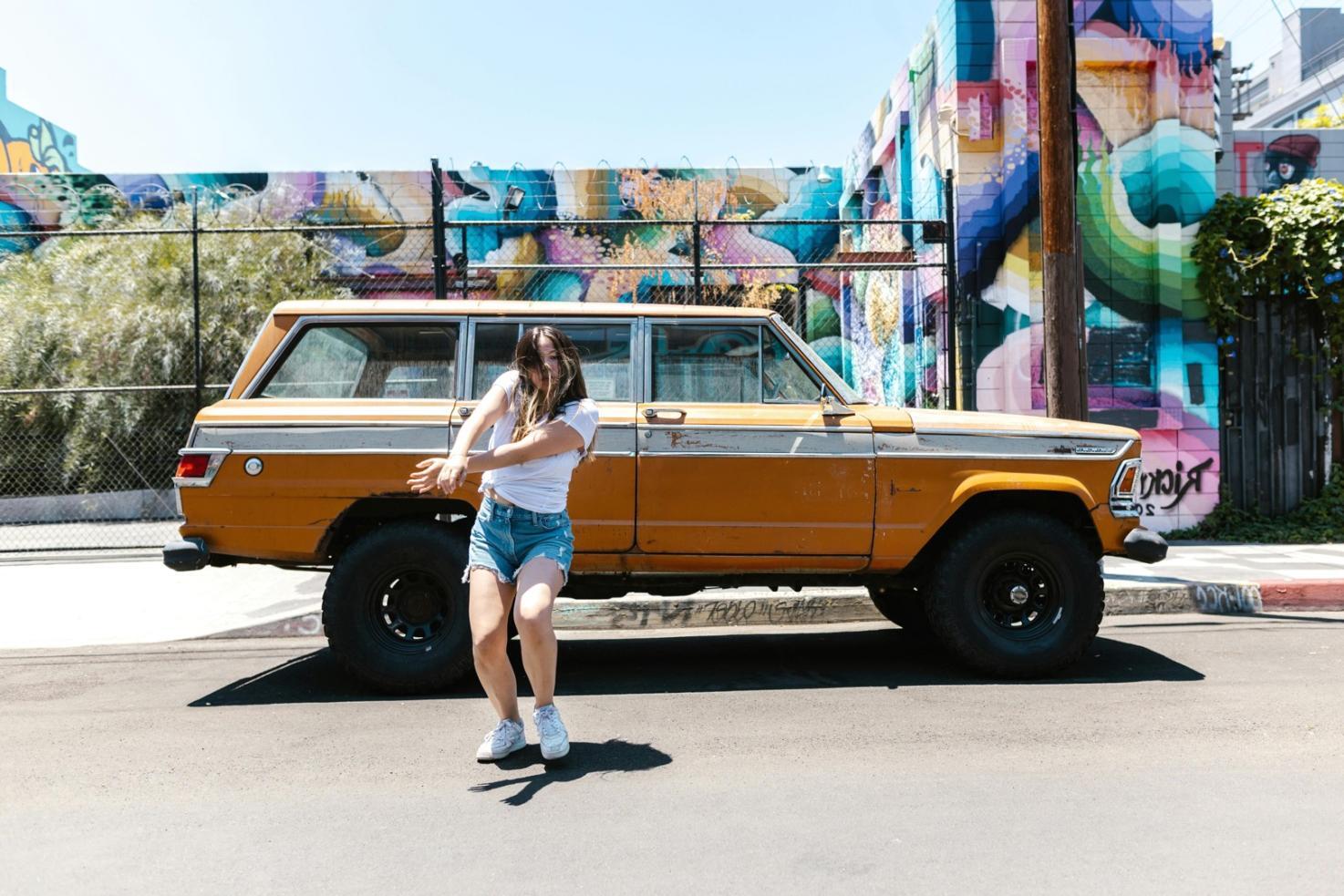
Twenty minutes focused on one idea beats an hour of wandering. Pick a specific element. Work it. Move on when it starts to stick.
Repetition with variation
Doing the same move twelve times in a row numbs you out. Change one variable each round: speed, direction, level, quality. Keeps your brain engaged.
End with something you know
Finish on a move that feels good. Builds confidence and leaves you wanting to return. Your last rep matters more than you think for motivation.
Henrik Volkov
Movement Coach
Most improvement happens in the spaces between sessions. What you notice and adjust carries more weight than raw time spent moving.
Compare to your last version
The person next to you started at a different place. Track your own progress over weeks, not against someone else's highlight reel.
Name what you're working on
Vague goals stay vague. "Get better at turns" becomes "keep my head spot consistent." Specific targets give you something to actually measure.
Accept the plateau phase
Progress isn't linear. You'll have weeks where nothing clicks. Keep showing up. The breakthrough usually lands when you stop forcing it.